Last Updated: August 11, 2026
A hit and run accident in Harlem gives you the right to compensation even if the driver is never found. New York's no-fault system and the Motor Vehicle Accident Indemnification Corporation (MVAIC) cover medical bills, lost wages, and other losses for unidentified-driver cases. Michael Gunzburg, P.C. helps Harlem and East Harlem victims file these claims correctly and on time.
Key Takeaways
- Leaving the scene of an accident is a crime in New York, but your right to compensation is a separate, civil matter that doesn't depend on the driver being caught.
- If the driver is never identified, MVAIC steps in to pay benefits similar to what an insurance company would owe, provided you meet the strict notice deadlines.
- New York's no-fault insurance covers medical treatment and a portion of lost wages regardless of who caused the crash, including hit and run cases.
- You generally have three years from the date of the accident to file a personal injury lawsuit in New York, but hit and run claims involving MVAIC carry much shorter notice windows.
- Harlem's mix of heavy avenue traffic, double-parked delivery vehicles, and dense foot traffic on corridors like 125th Street and Lenox Avenue creates real conditions for drivers to strike a pedestrian or cyclist and flee before anyone gets a plate number.
Why Hit and Run Accidents Are a Growing Problem in Upper Manhattan
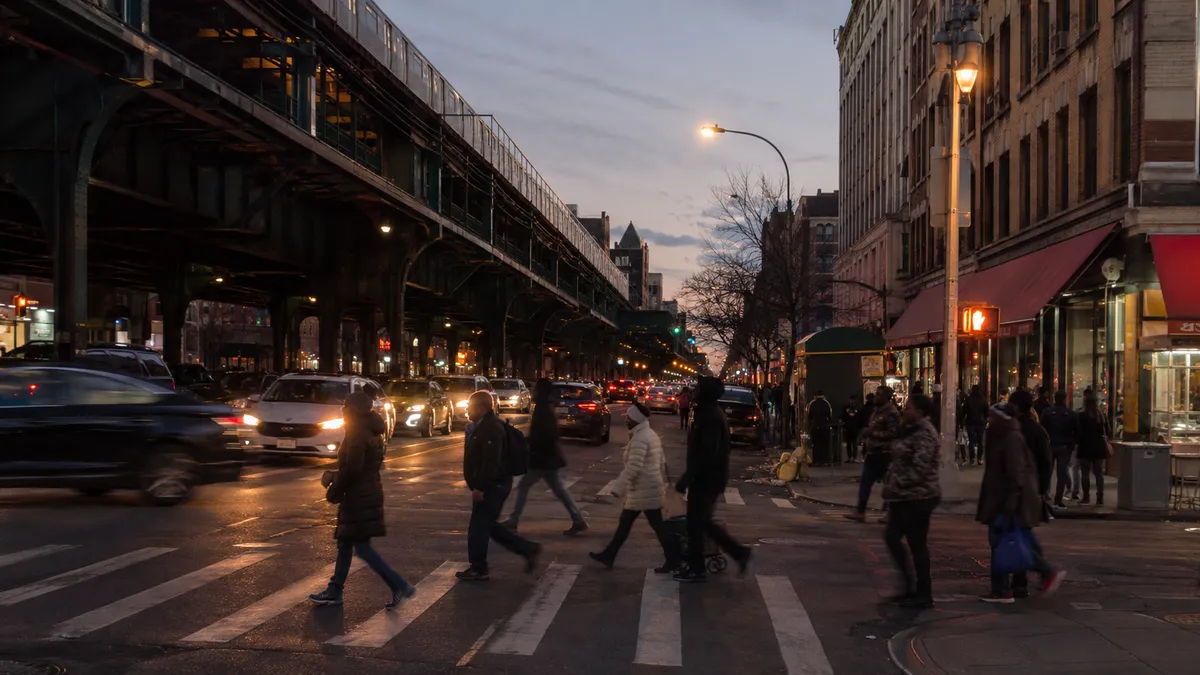
Harlem's street grid pushes a lot of vehicle and foot traffic through a small number of corridors. Third Avenue and First Avenue carry heavy north-south traffic through East Harlem. Adam Clayton Powell Jr. Boulevard and Lenox Avenue (also known as Malcolm X Boulevard) run through the commercial heart of Central Harlem. 125th Street, often called Main Street Harlem, sees constant pedestrian crossings near the Apollo Theater and the neighborhood's busiest retail stretch.
FDR Drive runs along Manhattan's east side and continues north past East Harlem, feeding higher-speed traffic onto local streets at multiple exits. That mix of a fast-moving highway, delivery trucks servicing 125th Street businesses, and pedestrians crossing wide avenues sets up the exact conditions where a driver can strike someone and be gone before witnesses react.
A driver who flees doesn't erase what happened. It just means the investigation and the claim look different. You still have legal options, and the deadlines to act on them start running the moment the accident happens.
What Should You Do Immediately After a Hit and Run in New York?
Call 911 first, even if your injuries seem minor. A police report creates the official record of the accident and gives investigators a chance to track down the driver while evidence is fresh.
Try to note anything you can about the vehicle: color, make, approximate model, and any part of the license plate you saw. Even a partial plate number or a distinctive detail (a dented bumper, a company logo, a delivery service magnet) can help investigators narrow the search.
Look around for security cameras. Harlem's commercial corridors, especially 125th Street and Lenox Avenue, have store-front cameras, MTA cameras near bus stops, and traffic cameras at major intersections. Footage gets overwritten within days at many businesses, so time matters.
Get medical care right away, and ask your provider to document that your injuries came from being struck by a vehicle. This record becomes central evidence for both your no-fault claim and any later lawsuit.
Can I Get Compensation If the Driver Is Never Found?
Yes. New York victims of hit and run accidents can recover compensation through the state's no-fault system and through the Motor Vehicle Accident Indemnification Corporation, known as MVAIC, even when the driver is never identified.
MVAIC exists specifically for situations like this: victims struck by an unidentified or uninsured vehicle who would otherwise have no insurance policy to file against. MVAIC pays benefits similar to what you'd receive from a standard auto insurance claim, covering medical expenses and a portion of lost wages up to New York's no-fault limits.
To preserve your right to file with MVAIC, you must submit a notice of intention to make a claim within 180 days of the accident when the driver's vehicle was never identified. Missing this window can end your claim before it starts, which is why acting quickly after a hit and run matters as much as the medical treatment itself.
If your own auto policy includes uninsured motorist (UM) coverage, that can provide an additional path to compensation, particularly for pain and suffering, which MVAIC and no-fault benefits generally don't cover.
Who Is Liable in a Hit and Run Accident Under New York Law?
The driver who fled remains legally responsible for your injuries, whether or not the police ever identify them. New York treats leaving the scene of a personal injury accident as a criminal offense under the Vehicle and Traffic Law, separate from the civil claim for your damages.
If the driver is later identified, whether through witness statements, surveillance footage, or license plate readers, you can pursue a civil claim against them directly for the full range of your damages, including pain and suffering that MVAIC and no-fault benefits don't cover.
If the driver worked for a delivery company, rideshare service, or employer at the time of the crash, that employer may share liability. This is a common scenario on Harlem's commercial corridors, where delivery drivers move quickly between double-parked stops on 125th Street and the surrounding avenues.
What Evidence Do You Need to Prove a Hit and Run Claim?
Building a strong hit and run claim starts with the police report, which documents your account, any witness information gathered at the scene, and the officer's initial assessment. This report becomes the foundation for both the criminal investigation and your civil claim.
Surveillance footage is often the difference between an unsolved case and an identified driver. Storefronts along 125th Street and Lenox Avenue, MTA bus cameras, and traffic-enforcement cameras at major intersections may have captured the vehicle. An attorney can send preservation requests to businesses and city agencies before footage is automatically deleted.
Witness statements matter even when no one caught the plate number. A witness who can describe the vehicle, the direction it fled, or the moment of impact strengthens both the police investigation and your compensation claim.
Medical records connect your injuries directly to the accident. Consistent treatment, starting with the ER visit and continuing through any follow-up care, shows the insurer or MVAIC that your injuries are real, documented, and caused by this specific incident.
No-Fault (PIP) Benefits vs. Uninsured Motorist (UM) Coverage
| No-Fault (PIP) Benefits | Uninsured Motorist (UM) Coverage | |
|---|---|---|
| Who pays | The insurer tied to the vehicle involved, or MVAIC if the driver is unidentified | Your own auto insurance policy, if you carry UM coverage |
| What it covers | Medical expenses, a portion of lost wages, other reasonable expenses | Pain and suffering, and damages beyond what no-fault covers |
| Fault matters? | No, benefits apply regardless of who caused the accident | No, but you must prove the other driver was uninsured or unidentified |
| Typical cap | Up to $50,000 in New York | Depends on your policy's UM limits |
| Applies to hit and run? | Yes, through MVAIC if the driver is never found | Yes, if you carry this coverage on your own policy |
What Should You Do After a Harlem Hit and Run Accident?
Beyond calling 911 and seeking medical care, the most important thing you can do is act quickly. MVAIC's notice deadlines are far shorter than the standard three-year statute of limitations for New York personal injury claims, and evidence like surveillance footage disappears within days.
An attorney can start the investigation immediately: sending preservation letters to nearby businesses, requesting traffic camera footage from the city, and canvassing for witnesses while the accident is still fresh in people's minds. If you're weighing whether to bring in a lawyer at all, our do I have a case page walks through what we look at during a free case review, at no cost and with no obligation.
Keep every piece of documentation you gather, from photos at the scene to medical bills, in one place. This record supports both your no-fault claim and any later civil case if the driver is identified.
Why Choose Michael Gunzburg, P.C. for a Harlem Hit and Run Case
Michael Gunzburg brings more than 39 years of litigation experience to personal injury claims across Manhattan, including hit and run and pedestrian accident cases. He holds a JD from Brooklyn Law School and has been a licensed CPA in New York since 1987, giving him a detailed understanding of how to calculate and document the full value of an injury claim.
Michael Gunzburg, P.C. represents accident victims throughout Harlem, East Harlem, and the rest of Manhattan on a contingency fee basis, meaning you pay nothing unless we recover compensation for you. You can review our firm's verdicts and settlements to see the range of results we've secured for injured clients.
Our hit and run accident practice and our broader pedestrian accident work in Manhattan give us direct experience with MVAIC claims, no-fault disputes, and the investigative steps needed to identify a driver who fled the scene. Learn more about Michael Gunzburg's background and his approach to these cases.
Questions From Harlem Hit and Run Accident Victims
What should I do immediately after being hit by a car that drives away?
Call 911 and stay at the scene until police arrive, even if you feel able to walk away. Note any details about the vehicle, look for nearby security cameras, and seek medical attention as soon as possible. A documented police report and prompt medical care are the two strongest pieces of evidence in a hit and run claim.
Can I get compensation if the hit and run driver is never found?
Yes. New York's Motor Vehicle Accident Indemnification Corporation (MVAIC) pays benefits to victims struck by unidentified vehicles, similar to what a standard insurance policy would cover. You must file a notice of intention to make a claim within a strict window after the accident to preserve this right.
What is uninsured motorist coverage, and how does it help hit and run victims?
Uninsured motorist (UM) coverage is part of your own auto insurance policy that pays out when the at-fault driver has no insurance or can't be identified. Unlike no-fault benefits, UM coverage can compensate you for pain and suffering, not just medical bills and lost wages.
How long do I have to file a hit and run accident claim in New York?
New York's general statute of limitations for personal injury lawsuits is three years from the date of the accident. Claims against MVAIC for an unidentified vehicle carry a much shorter notice deadline, generally 180 days, so it's important to act quickly rather than wait.
What evidence do I need to prove my hit and run injury case?
The police report, any surveillance or traffic camera footage of the incident, witness statements, and your medical records all support a hit and run claim. An attorney can request footage preservation from nearby businesses and city agencies before it's automatically deleted.
Will my health insurance cover injuries from a hit and run accident?
New York's no-fault insurance typically pays first for accident-related medical treatment, regardless of who caused the crash or whether the driver was identified. Your health insurance may cover costs beyond no-fault limits or coordinate benefits, depending on your policy.
Do I need a lawyer for a hit and run accident claim?
You aren't required to have a lawyer to file a no-fault or MVAIC claim, but these cases involve strict deadlines, an unidentified defendant, and insurance rules that differ from a typical car accident case. A lawyer can manage the investigation, meet the filing deadlines, and pursue every available source of compensation on your behalf.
What if the driver who hit me is later identified?
If the driver is identified after your MVAIC or no-fault claim is already underway, you can generally pursue a separate civil claim against them for damages that no-fault benefits don't cover, including pain and suffering. Your attorney can adjust your case strategy once a driver is identified.
Contact Michael Gunzburg, P.C. - Serving Harlem and All of Manhattan
If a hit and run driver injured you in Harlem, East Harlem, or anywhere in Manhattan, you don't have to sort through MVAIC filings, no-fault paperwork, and short notice deadlines on your own. Michael Gunzburg, P.C. offers a free, no-obligation consultation to review what happened and explain your options clearly.
Call 212-725-8500 or visit our contact page to speak with our office today. We work on a contingency fee basis, so you owe nothing unless we recover compensation for you.