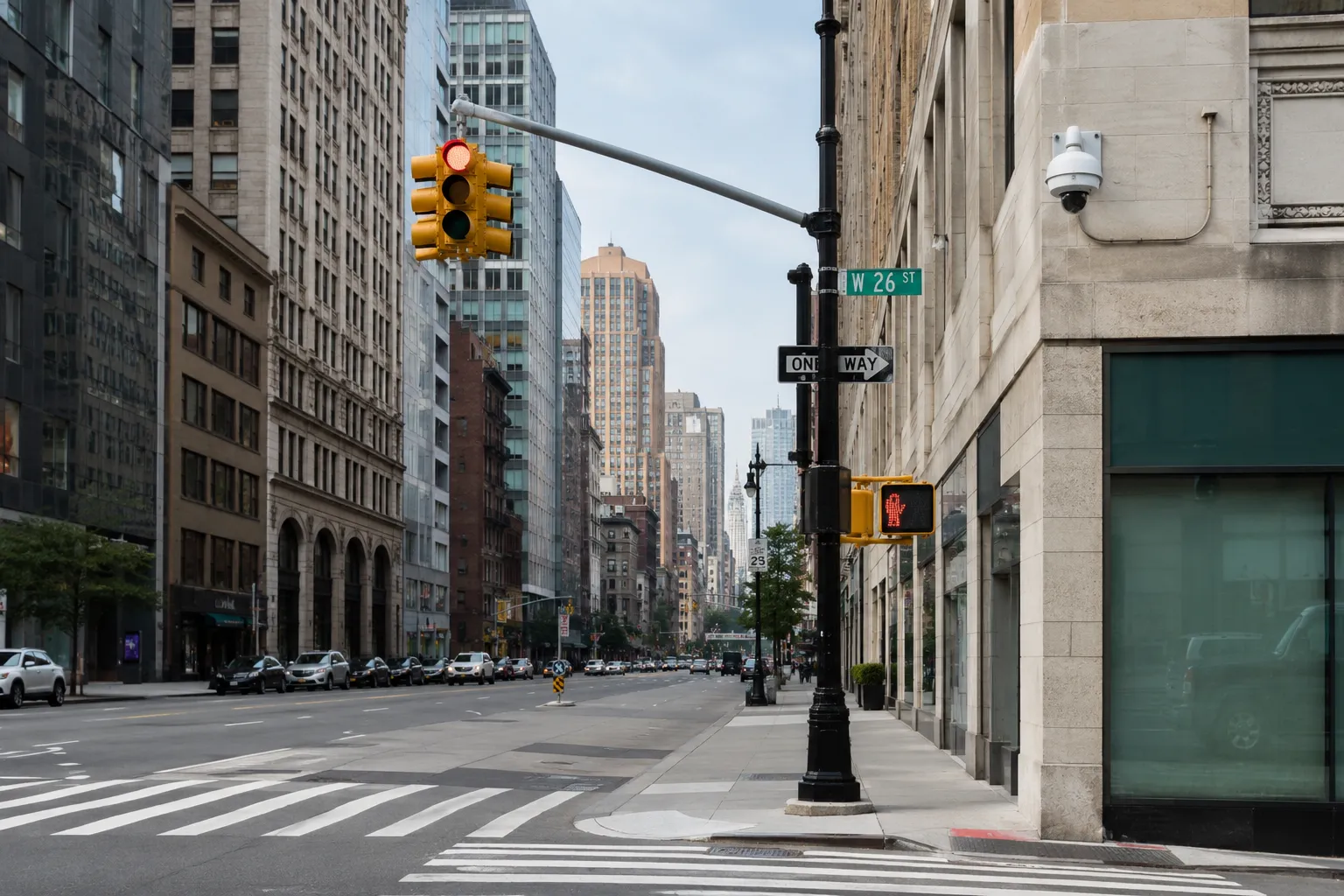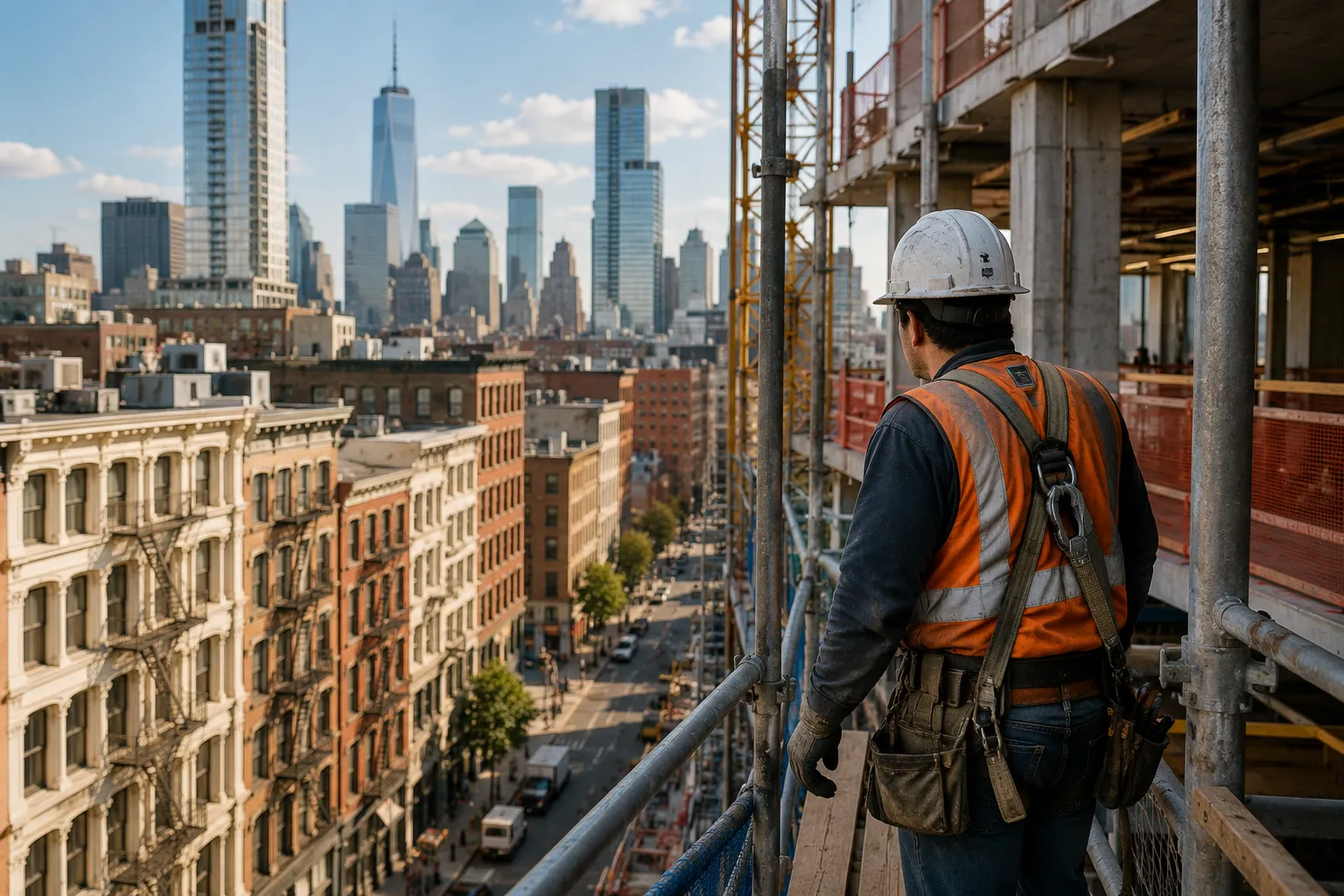
Tribeca and SoHo's active construction boom, including new high-rise towers and historic cast-iron building renovations, creates distinct injury risks for workers in these neighborhoods. Injured construction workers often have legal options beyond workers' compensation, including third-party lawsuits against negligent property owners and contractors. A construction accident lawyer serving Tribeca and SoHo can help identify which claims apply to a specific job site and accident.
Key Takeaways
- Tribeca and SoHo are seeing significant new development, including large residential towers and conversions of historic buildings.
- Renovation work in SoHo's Cast-Iron Historic District carries unique structural risks tied to century-old buildings.
- Workers' compensation covers limited medical expenses and partial lost wages, but a third-party lawsuit can recover full damages including pain and suffering.
- New York Labor Law Section 240, known as the Scaffold Law, applies to elevation-related risks regardless of a building's age or landmark status.
- Immigration status does not affect a worker's right to pursue compensation after a construction accident.
- Acting quickly preserves site conditions and evidence before they're altered by ongoing construction work.
Why Tribeca and SoHo Construction Sites Carry Unique Risks
Construction risk in Tribeca and SoHo splits into two distinct categories, and each carries its own set of hazards. New high-rise development is reshaping parts of Tribeca, with large residential towers underway near Greenwich Street and Thompson Street. At the same time, SoHo's renovation activity is concentrated in century-old cast-iron buildings, where contractors work within historic structural shells rather than building from the ground up.
Both categories involve serious fall, equipment, and structural risk, but the hazards look different depending on the project type. A worker on a new high-rise build faces crane operations, hoisting, and multi-story scaffolding typical of ground-up construction. A worker renovating a SoHo loft faces confined demolition, aging structural elements, and coordination between trades inside a building never designed for modern systems.
The downtown Manhattan construction market, covering Tribeca, SoHo, and the surrounding neighborhoods, has grown busy enough that projects often rely on a rotating workforce of subcontractors, some of whom may be unfamiliar with building-specific hazards.
Construction Risks Specific to Historic Cast-Iron Buildings
SoHo's Cast-Iron Historic District holds the largest concentration of cast-iron building facades in the world, and renovation work inside these structures comes with hazards that don't exist on a typical modern job site. The cast-iron columns supporting these buildings are structural. They can't be removed or relocated, which means demolition and renovation crews must work around fixed structural elements in tight, confined spaces.
Most significant renovation work in this district requires a Department of Buildings Alteration Type 2 permit, along with Landmarks Preservation Commission approval for any work affecting a building's exterior or, in many cases, certain interior elements as well. This adds layers of multi-trade coordination, since plumbing, electrical, and structural work often proceed on overlapping schedules to meet permit timelines.
Many of these buildings also lack modern infrastructure. Installing HVAC systems, running new electrical, or reinforcing floor joists in a building built for 19th-century light manufacturing often requires complex retrofitting solutions that can increase the chance of something going wrong if safety protocols are not followed. A worker cutting into an aging floor or working beneath an unsupported cast-iron column faces risks that a newer building simply doesn't present.
New High-Rise Construction in Tribeca
Tribeca's new development includes large-scale residential towers, some rising dozens of stories, bringing crane operations, hoisting, and high-elevation scaffolding work typical of major ground-up construction. These projects move fast, with multiple subcontractors often working simultaneously on different floors or systems.
Falls from heights remain one of the leading causes of injury and death on construction sites of this scale. Equipment failures, improperly secured loads, and gaps in fall protection contribute heavily to serious injuries on high-rise builds. The pace of large development projects can also create pressure to keep moving even when a safety concern arises.
Anyone injured on one of these sites should understand that workers' compensation is only one part of the picture. The firm's construction accidents page covers the broader range of claims available to injured workers across New York City, including high-rise and ground-up construction cases.
What Compensation Can a Construction Worker Recover Beyond Workers' Comp?
Workers' compensation covers medical expenses and partial lost wages, but it does not cover pain and suffering, full lost wages, or punitive damages. A third-party personal injury lawsuit can provide more complete compensation when someone other than your direct employer, such as a property owner, general contractor, or equipment manufacturer, contributed to the accident.
In many cases, an injured worker can receive workers' compensation benefits and pursue a third-party lawsuit at the same time. These aren't mutually exclusive. Identifying every responsible party early in a case matters, since leaving one out can limit the total recovery available. For more on common hazards on New York job sites, see the firm's article on dangerous tools at New York construction sites.
Does New York's Scaffold Law Apply to SoHo Cast-Iron Building Renovations?
Yes, New York Labor Law Section 240, commonly called the Scaffold Law, applies to elevation-related accidents regardless of a building's age, landmark status, or whether the work is new construction or renovation. The law provides strict liability protection for falls from heights and falling object injuries.
This means that in most Scaffold Law cases, a worker's comparative negligence does not reduce recovery, although property owners and contractors may argue that the worker was the sole proximate cause of the accident or refused available safety devices. For most third-party personal injury lawsuits involving scaffolding or elevation accidents, New York's statute of limitations is generally three years from the date of the accident. If a government entity is involved as a property owner or contractor, a Notice of Claim is typically required within 90 days of the accident. The firm's scaffolding accident page goes into more detail on how these protections apply.
Who Can Be Held Liable for a Tribeca or SoHo Construction Accident?
Liability in a Tribeca or SoHo construction accident often extends beyond the worker's direct employer. Property owners, general contractors, and subcontractors can all share responsibility depending on what caused the accident and who controlled the work conditions at the time.
In historic building renovations, additional parties sometimes come into play. In some cases, design professionals such as architects may bear responsibility if they exercised control over the work or created unsafe plans that contributed to an unsafe condition, although liability more commonly falls on property owners and contractors. Equipment manufacturers can also be liable if a tool or piece of machinery failed due to a defect rather than misuse.
A thorough investigation identifies every party who contributed to an accident, since construction sites in this part of Manhattan frequently involve multiple contractors working under a single property owner or developer.
How Michael Gunzburg, P.C. Handles Tribeca and SoHo Construction Accident Cases
Michael Gunzburg has spent 39+ years representing injured construction workers throughout New York City, including workers hurt on both new high-rise developments and historic building renovations in Tribeca and SoHo. As both a licensed attorney and a Certified Public Accountant, Michael Gunzburg brings direct financial expertise to calculating the full scope of economic damages, including lost earning capacity and future medical costs, in a serious construction injury case.
The firm has secured results including a $10.1 million settlement for a worker struck by falling ice, a $4.5 million settlement for a construction worker who fell 20 feet, and a $2.5 million settlement for an ironworker injured when safety equipment failed.
If you were hurt on a job site in Tribeca or SoHo, the firm understands the specific risks tied to both new construction and historic renovation work in this part of Manhattan. The firm works on a contingency fee basis, so there's no upfront cost, and you pay nothing unless the case succeeds. Calls during business hours are answered by a receptionist, with a digital assistant available after hours and on weekends, and the firm commits to returning calls within 24 hours.
Frequently Asked Questions
What is the most common cause of construction accidents in Tribeca and SoHo?
Falls from heights are among the most common causes of serious construction accidents in both Tribeca and SoHo. On new high-rise developments, this involves scaffolding and crane-related work. In SoHo's historic buildings, falls often happen during demolition or renovation work in confined spaces around fixed structural elements like cast-iron columns.
Can I sue if I was injured on a construction site and I'm already collecting workers' compensation?
Yes. Workers' compensation prevents a lawsuit against your direct employer, but it does not prevent a third-party lawsuit against a property owner, general contractor, or other negligent party. Many injured workers receive workers' compensation benefits while also pursuing a separate personal injury claim.
Does New York's Scaffold Law apply to historic building renovations?
Yes. Labor Law Section 240 applies to elevation-related accidents on any construction site in New York, regardless of whether the building is a new high-rise or a landmarked historic structure. The law provides strict liability protection for falls and falling object injuries in most circumstances.
Who is liable for a crane or hoisting accident at a Tribeca high-rise project?
Liability for a crane or hoisting accident can extend to the general contractor, the crane operator's employer, the equipment manufacturer if a defect contributed to the failure, and the property owner. An investigation into inspection records and maintenance history typically determines which parties bear responsibility.
Does my immigration status affect my right to file a claim?
No. Your right to workers' compensation benefits and to pursue a personal injury claim in New York applies regardless of immigration status. These protections cover all workers injured on a job site, and an experienced attorney can handle these cases with full confidentiality.
What should I do immediately after a construction site injury?
Seek medical attention right away, even if the injury seems minor at first. Report the accident to a supervisor and request that an incident report be filed. Photograph the scene, equipment involved, and any visible injuries if you're able to. Get contact information from any witnesses before they leave the site.
How long do I have to file a construction accident lawsuit in New York?
For most third-party personal injury lawsuits, New York's statute of limitations is generally three years from the date of the accident. If a government entity is involved, a Notice of Claim is typically required within 90 days of the accident, and a lawsuit is generally required within one year and 90 days. Missing these deadlines can permanently affect your right to recover compensation.
Can I be fired for reporting an unsafe construction site?
New York law provides protections against retaliation for reporting unsafe conditions or for filing a workers' compensation claim. If you believe you were fired or punished after raising a safety issue, an attorney can review your situation and advise you on additional legal protections that may apply.
What if multiple contractors were working on the site where I was hurt?
Construction sites with multiple subcontractors often involve shared or disputed liability. An investigation identifies which contractor controlled the specific work area or equipment involved in the accident, since responsibility doesn't always fall on the contractor who employed the injured worker.
Do landmarked buildings have different safety requirements than new construction?
Landmarked buildings in SoHo's Cast-Iron Historic District face additional regulatory requirements through the Landmarks Preservation Commission, but the core workplace safety obligations under New York Labor Law apply the same way they do on any other construction site. Property owners and contractors still owe workers a duty to maintain safe conditions.
If You Were Hurt on a Tribeca or SoHo Job Site
Whether the accident happened on a new high-rise project or during a renovation inside a century-old cast-iron building, the path forward starts with the same basic steps: get medical care, document the conditions that caused the accident, and speak with an attorney before evidence disappears or deadlines pass.
Michael Gunzburg, P.C. represents injured construction workers throughout Manhattan, including Tribeca, SoHo, and the rest of Downtown. The firm works on a contingency fee basis, so there's no cost to find out where you stand. Call (212) 725-8500 for a free consultation, or reach out online to get started.